


Rabat travel guide ,the capital city of Morocco, is a destination that beautifully combines history, culture, and modern life. Often overlooked by travelers in favor of Marrakech or Fes, Rabat offers a more relaxed atmosphere while still being rich in attractions and experiences. From ancient ruins and royal palaces to peaceful gardens and lively markets, this coastal city has plenty to explore.
Situated along the Atlantic Ocean and divided by the Bouregreg River, Rabat is not only Morocco’s political center but also a UNESCO World Heritage city. It’s the perfect mix of tradition and modernity, making it a must-visit for anyone who wants to experience Morocco beyond the usual tourist paths.
One of the most iconic landmarks in Rabat is the Hassan Tower, a 12th-century minaret that stands as a reminder of an ambitious mosque project that was never completed. Right next to it, the Mausoleum of Mohammed V impresses visitors with its intricate architecture and historical importance. Another highlight is the Kasbah of the Udayas, a picturesque fortress with blue-and-white streets, Andalusian gardens, and stunning ocean views.
For those who love history, the Chellah Necropolis is an unforgettable site. Once a Roman city and later a medieval Islamic settlement, Chellah is now a peaceful ruin filled with ancient walls, crumbling tombs, and storks nesting above the remains. Meanwhile, the Royal Palace gives travelers a glimpse into Morocco’s monarchy, even though entry inside is limited.
Rabat is also a city of culture. The Mohammed VI Museum of Modern and Contemporary Art showcases Moroccan creativity, while the medina of Rabat offers a more laid-back shopping experience compared to other Moroccan cities. Visitors can browse handmade crafts, textiles, and spices without the overwhelming crowds.
The coastal location makes Rabat especially appealing. Its beaches are ideal for relaxation, while the Bouregreg River offers opportunities for boat rides and scenic views. A quick trip across the river takes you to Salé, a quieter town with its own historic medina and local charm.
What makes Rabat truly special is its balance. It’s modern enough to feel comfortable and welcoming, yet traditional enough to preserve the essence of Morocco. Travelers can enjoy cultural discoveries by day and a relaxing atmosphere by night, sampling Moroccan cuisine in charming restaurants or sipping mint tea in local cafés.
If you’ve decided to visit Rabat then you’re probably wondering what to do in Rabat. I often wondered the same thing but after visiting a few times now and having several good friends who live there I realized we hadn’t spent enough time to see it all! I’ve chosen just twelve must-see Rabat attractions here to consider but there are many others that I had to leave off for space.
Rabat travel guide
The Medina of Rabat
The medina and kasbah of Rabat are two different areas but connected. While much of Rabat is extremely modern, home to embassies and important government business, the medina still has reminders of a different kind of life. The medina here isn’t like the medinas of Marrakech or Fez, it’s much smaller and you’ll likely see very few tourists. One special item to consider seeking out is a Rabati rug.
I. What to do in Rabat!
1-Tour Hassan + Mohammed V Mausoleum
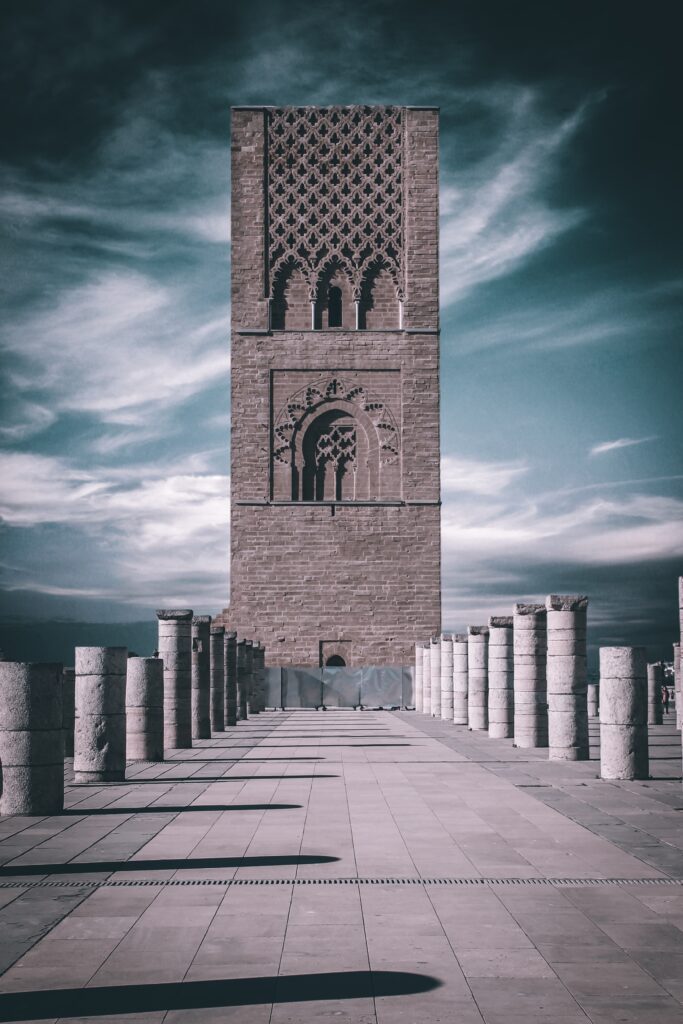
The Mohammed V Mausoleum is an iconic monument in Rabat, Morocco, dedicated to King Mohammed V, who played a significant role in Morocco’s history. This grand mausoleum, completed in 1971, is an architectural masterpiece that reflects traditional Moroccan design elements.
Situated in the heart of Rabat, near the Hassan Tower, the mausoleum is not only a place of reverence but also a symbol of national pride. Its striking white silhouette, adorned with intricate Islamic geometric patterns, stands out against the city skyline.
The mausoleum houses the tombs of King Mohammed V and his two sons, King Hassan II and Prince Abdallah. Visitors can admire the impressive interior, characterized by marble, zellige tilework, and a stunning domed ceiling adorned with ornate chandeliers.
The serene ambiance within the mausoleum reflects the respect and admiration the Moroccan people hold for King Mohammed V, who led the country to independence and was revered for his integrity and dedication to his nation.
It’s not only a historical site but also a place where Moroccans and visitors alike pay their respects and admire the architectural and cultural significance of this remarkable monument.
2-Kasbah of the Udayas
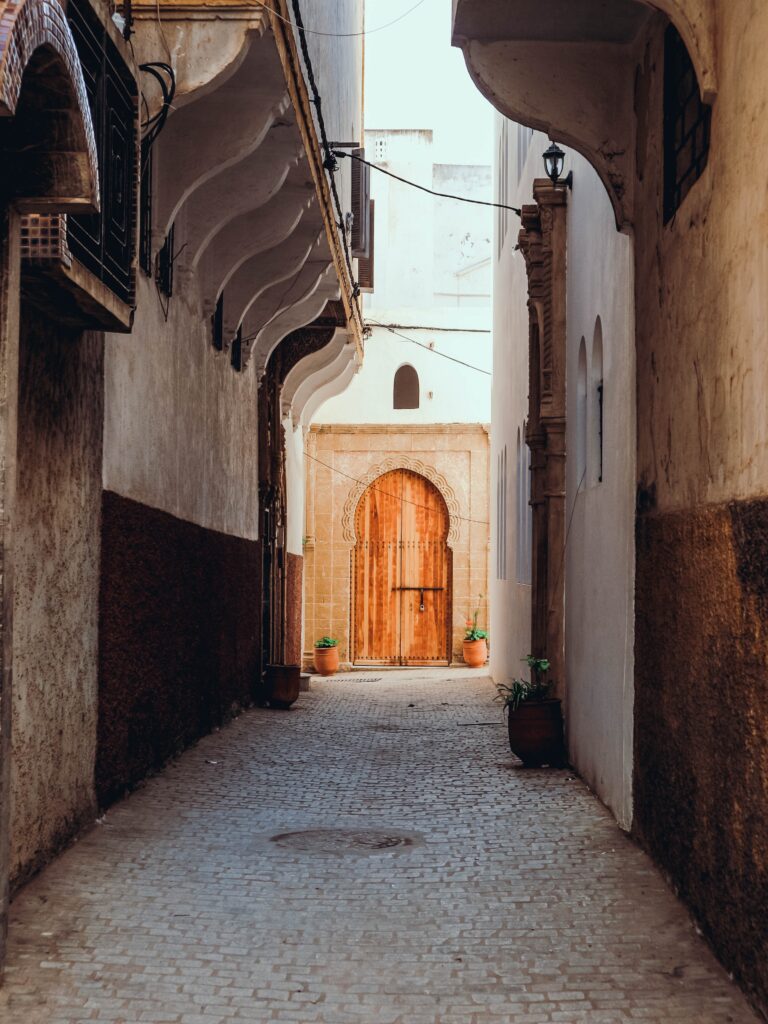
The Kasbah of the Udayas, also known as Kasbah des Oudaias, is a historic site located in Rabat, the capital city of Morocco. It’s a picturesque and ancient fortress situated at the mouth of the Bou Regreg river, overlooking the Atlantic Ocean.
The Kasbah’s origins trace back to the 12th century when it was established during the Almohad dynasty. Its construction was initially a military fortress to defend against maritime attacks. Over time, it evolved into a residential area and became a symbol of Rabat’s heritage and history.
Visitors to the Kasbah can explore its narrow streets, whitewashed houses adorned with blue accents, and vibrant gardens. One of its prominent landmarks is the Andalusian Gardens, known for their tranquil atmosphere and beautiful views of the ocean.
The Kasbah of the Udayas stands as a testament to Morocco’s rich cultural heritage, blending Islamic and Andalusian architectural influences and attracting tourists from around the world.
3-Mohamed VI Museum of Modern and Contemporary Art
visiting this museum on my list since the museum opened and was only a little apprehensive as other museums in Morocco are a bit of a let down. Not here. I would say visiting here is a must because it puts a completely different light on Morocco and Moroccan art.
4-Sale, Medina
Sale is a city in northwestern Morocco, situated near the capital city of Rabat. It’s known for its historical significance, traditional markets, and the charming Medina. The Medina of Sale offers a glimpse into Morocco’s rich history and culture with its narrow streets, bustling markets (souks), and historic architecture.
Is there something specific you’d like to know about Sale or its Medina in Morocco? Whether it’s about its history, attractions, or anything else
5-Chellah
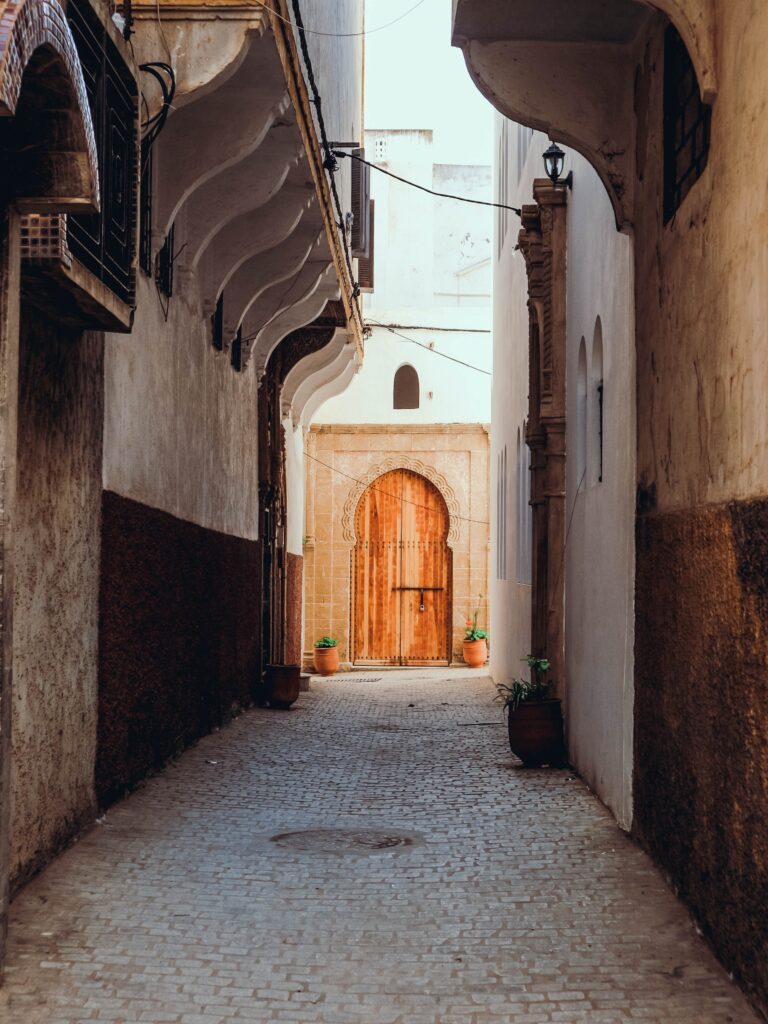
Nestled overlooking the lush Bou Regreg River on the Rabat city side is Chellah, an incredibly picturesque fort that dates back to the Phoenician times in the third century B.C. The Romans came next around 40 CE and finally the Arabs in the 12th century. Later the Berber rulers the Almohads used the complex as a royal burial ground.
The site has impressive columns and marble statues, albeit some of them in ruins, from the Roman era as well as all three empires. It is also the best spot for spotting the famous storks that nest above the tallest structures and trees and migrate to Morocco in the winter. Be sure to listen for their famous ‘clapping noise’! Chellah is an ideal spot for a picnic on the grass and a stroll amongst history.
II. visite morocco with your tour morocco
Morocco Tour offer a captivating journey through a land of contrasts, where ancient traditions meet modern marvels. From the bustling medinas to the tranquil Sahara Desert, Morocco has a unique charm that beckons travelers from around the world. Plan your visit to this enchanting North African destination and embark on an unforgettable adventure. www.yourtourmorocco.com
people also ask
-Is Rabat worth visiting?
Yes, Rabat is worth visiting for its blend of history, culture, and modern life. It offers UNESCO sites, the Atlantic coast, and a more relaxed vibe than Marrakech.
– What is Rabat famous for?
Rabat is famous for the Hassan Tower, Kasbah of the Udayas, the Mausoleum of Mohammed V, and its role as Morocco’s political and cultural capital.
– How many days do you need in Rabat?
Two days are enough to see Rabat’s main attractions, but staying 3–4 days allows time for day trips to Salé, Chellah, and nearby beaches.
– What is the best time to visit Rabat?
The best time to visit Rabat is spring (March–May) and autumn (September–November), when the weather is mild and pleasant.
-Is Rabat safe for tourists?
Yes, Rabat is considered one of Morocco’s safest cities. Normal travel precautions apply, but it’s generally very welcoming to visitors.
conclusion
Rabat travel guide , particularly in the context of riads, embodies a unique and intricate style that reflects the country’s diverse cultural heritage and history. Riads are traditional Moroccan homes or palaces characterized by their inward-facing design, typically found in the historic medinas or old cities like Marrakech, Fez, Rabat, and Essaouira. Here are some key features of Moroccan architecture as seen in riads


